
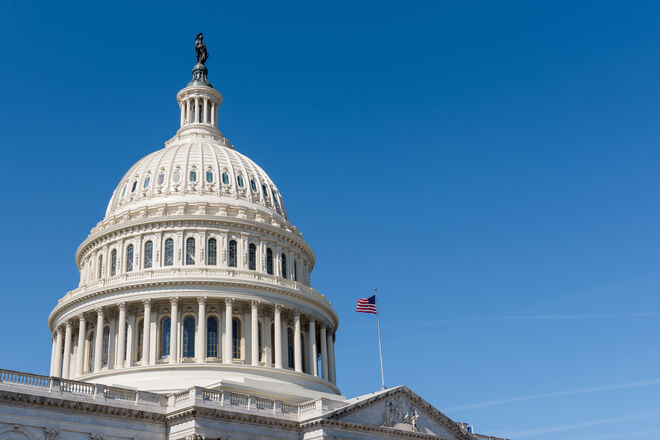
Two recent developments in Congress signal potentially significant changes affecting labor law as we move further into 2026.
First, the House of Representatives passed the Faster Labor Contracts Act (H.R. 5408) on June 9, 2026. This bill would create a new process for negotiating collective bargaining agreements, in a way that significantly benefits unions. It would require employers to meet and begin bargaining with a union within 10 days after they receive a written bargaining request from a newly recognized or certified union. The parties must make “every reasonable effort” to reach an agreement during this initial period.
If the parties did not reach an agreement within 90 days, either party could notify the Federal Mediation and Conciliation Service (FMCS) and request mediation. If mediation did not succeed within 30 days, FMCS would refer the dispute to a three-person arbitration panel. The panel would then issue a binding decision that governs the terms of the parties’ collective bargaining agreement for two years. In determining those terms, the panel must consider the employer’s financial status, as well as the size and type of its operations; employees’ cost of living and ability to support themselves and their families; and the wages and benefits that comparable employers offer in the same industries.
The bill received bipartisan support in the House of Representatives. However, the Senate must still pass the bill, and the President must sign it before it becomes law. So, the bill still must overcome significant hurdles, and many suspect it will not survive the Senate. However, if enacted, the legislation would fundamentally shift how parties negotiate initial collective bargaining agreements in private-sector labor relations.
This bill significantly expands the duties of the parties at the initial bargaining stage. Currently, the NLRA requires only that parties bargain in good faith. However, the law does not impose deadlines for reaching an agreement, and parties often take more than a year to negotiate an initial contract. These new deadlines in the bill would give unions significant leverage at the initial bargaining stage. If the parties fail to reach a deal, they would no longer reach an impasse; instead, a third-party panel would decide the terms of their relationship.
In other labor developments, the National Labor Relations Board (NLRB) took another step towards regaining a three-member majority. Republican nominee James Macy appeared before the Senate Committee on Health, Education, Labor and Pensions on June 10, 2026. His hearing marked the next step toward a confirmation vote on his appointment to the Board.
If confirmed, Macy would give Republican-appointed members a three-seat majority on the NLRB and likely prompt review of previous Board decisions. Although the Board regained its three-member quorum earlier this year, Board members typically refrain from overturning existing Board precedent without a three-member majority. Macy’s appointment would allow the Board to reevaluate controversial decisions issued by prior Boards in cases like Cemex, Stericycle and McLaren Macomb, and move the law in a more employer-friendly direction.
Macy must now obtain Senate panel approval before the full Senate votes on his confirmation. The Senate must confirm at least one NLRB nominee before Democratic member David Prouty’s term ends on August 27, 2026, or the Board will again lose its three-member operating quorum.
We will continue to monitor these developments and provide updates. If you have any questions, please contact any member of Squire Patton Boggs’ Labor and Employment practice group.